What is ecchymosis of the skin ?
ECCHYMOSIS:
Ecchymosis is the medical term for the common bruise. Most bruises form when blood vessels near the surface of the skin are damaged, usually by impact from an injury. The force of the impact causes your blood vessels to burst open and leak blood. This blood gets trapped beneath the skin, where it forms into a little pool that turns your skin purple, black, or blue.
:max_bytes(150000):strip_icc()/GettyImages-1059076258-44cc6ddbcb504cf7ade8c016e08f8c18.jpg)
Clotting prevents the injured blood vessels from leaking any more blood and making your bruise even bigger. Some proteins in your blood, called clotting factors, also help to stop the bleeding so that the tissue starts healing. After a blood vessel is injured, platelets in the blood come to help the clotting process.
WHAT ARE THE CAUSES OF ECCHYMOSIS ?
Ecchymosis is usually caused by an injury, such as a bump, blow, or fall. This impact may cause a blood vessel to burst open leaking blood under the skin, creating a bruise.
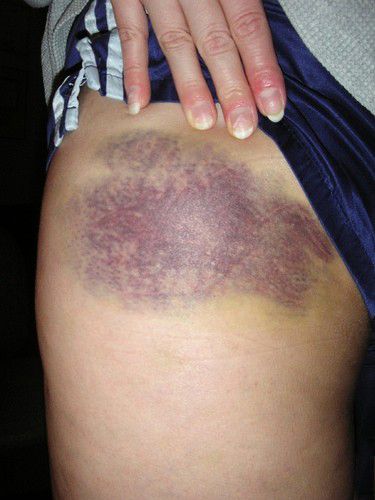
While bruises are very common and affect almost everyone, women tend get them more easily than others do.
Sometimes easy bruising is a sign of a more serious medical condition, such as a bleeding disorder . There are at least 28 conditions that can cause easy bruising.
If you regularly find bruises on your body but can’t remember getting injured, there could be an underlying cause. Many medications are associated with increased bleeding and bruising, including:
- blood thinners, such as aspirin or warfarin (Coumadin, Jantoven)
- antibiotics
- corti
- dietary supplements, including ginkgo biloba
WHAT ARE THE SYMPTOMS OF ECCHYMOSIS ?
Ecchymosis is common on your arms and legs since they’re most likely to be injured. Bruising can also happen when you strain or sprain a bone, especially in your wrist or ankle. The skin around your eyes is also very thin, which makes it likely to bruise. Ecchymosis around the eye socket is more commonly known as a black eye .
Older adults may notice painless bruises on their forearms and the back of their hands. As you age, your skin becomes thinner. When you have thin skin, your blood vessels burst more easily, leading to more frequent bruising. Because the injury is so small, these bruises usually don’t hurt.
The main symptom of ecchymosis is an area of skin discoloration larger than 1 centimeter. The area may also be sensitive and painful to touch. Your ecchymosis will change colors and disappear as your body reabsorbs the blood that was pooling beneath the skin.
The progression of colors you’ll see usually follow this order:
- red or purple
- black or blue
- brown
- yellow
Ecchymosis usually heals on its own within two to three weeks. The injury that caused the bruise may take longer to heal, especially if it involves broken bones.
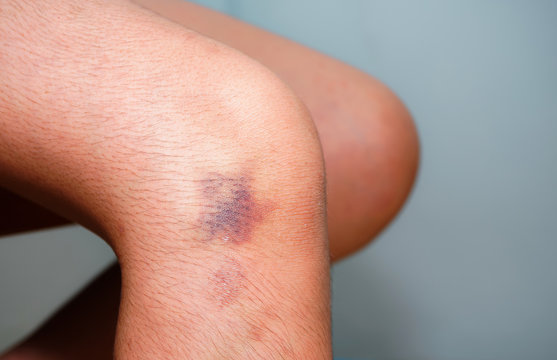
You might be able to speed up the healing process with the following home remedies
- applying an ice pack in the first 24 to 48 hours after the initial injury
- resting the affected area
- raising injured limbs above your heart to prevent painful swelling
- using a heat pack several times a day 48 hours after the injury
- taking nonsteroidal anti-inflammatory medications, such ibuprofen (Advil), to reduce painful swelling
CAN I PREVENT ECCHYMOSIS ?
Bruising is normal and impossible to avoid, but there are things you can do to lower your risk. These tips are especially important if you have a condition that makes you more likely to bruise:
- wear protective equipment while playing sports
- keep floors and walkways clear of debris to prevent falls
- never leave items on a stairway
- rearrange furniture in a way that reduces the likelihood of bumps
- keep a nightlight on in your bedroom and bathroom
- use the flashlight on your cell phone or attach a small light to your keys so you can see in poorly lit areas


Comments
Post a Comment