What cancers is associated with sweet syndrome ?
SWEET SYNDROME :

Sweet syndrome is a very rare inflammatory skin condition characterized by a sudden onset of fever and painful rash on the arms, legs, trunk, face, or neck. It’s also known as acute febrile neutrophilic dermatosis. Sweet syndrome occurs with other medical conditions such as cancer, gastrointestinal infections, or pregnancy. Occasionally, Sweet syndrome results when people use certain medications. These include some antibiotics, like co-trimoxazole (Bactrim ), and nonsteroidal anti-inflammatory drugs (NSAIDs), like Advil.
Treatment for Sweet syndrome involves corticosteroid medications, such as prednisone, which are used to reduce inflammation. In most cases, medications reduce or get rid of symptoms. Treating the medical problem may resolve your symptoms if an underlying condition is causing Sweet syndrome.
WHAT ARE THE CAUSES OF SWEET SYNDROME ?
The cause of Sweet syndrome is unknown. Doctors use three categories to classify Sweet syndrome:
- Classical: The disorder occurs with other medical conditions like upper respiratory infections, pregnancy, or gastrointestinal infections.
- Malignancy-associated: Sweet syndrome appears with certain types of cancer, like acute myeloid leukemia.
- Drug-induced: Certain medications trigger Sweet syndrome. These include some antibiotics, like Bactrim, NSAIDS and granulocyte colony-stimulating factor (G - CSF), which stimulates your body to make neutrophils, a type of immune system cell.
Most of the time, it happens on its own and doctors can’t find a reason. Other times, it happens when your immune system reacts to another problem, like:
- Blood cancer such as leukemia or lymphoma
- Bowel disease, like ulcerative colitis or Crohn’s disease
- Chest infection or strep throat
- Colon or breast cancer
- Injury where the rash is, like a needle prick or insect bite
- Pregnancy
- Rheumatoid arthritis
A reaction from a drug also can bring on Sweet syndrome. Possible drugs include common ones such as nonsteroidal anti-inflammatory drugs (Advil, Motrin). But a medication called granulocyte-colony stimulating factor that’s used to help fight infections in some people with cancer is the most common culprit.
WHAT ARE THE SIGNS AND SYMPTOMS OF SWEET SYNDROME ?
The symptoms of Sweet syndrome come on suddenly. They include:
- Painful bumps or small blisters filled with pus on the face, neck, arms, or legs
- Skin and mouth lesions (sores or tumors)
- Skin discoloration
- Fever
- Muscle and joint pain,headache and fatigue
- General feeling of being unwell
The biggest sign is the rash that seems to appear out of nowhere a few days or weeks after a fever.
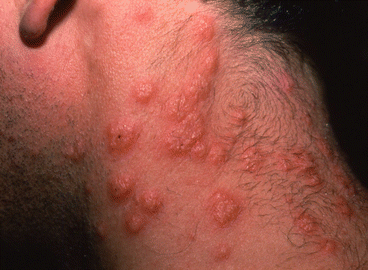
Small red or purple bumps or lumps typically show up first on your arms, legs, face, or neck. But they can pop up in other places, too. They tend to grow quickly and eventually join together to make large patches. The rash can be painful. You may get blisters or pimple-like bumps. They can break open and become infected.
Sweet syndrome resolves on its own without any medical treatment. For most people, treatment involves systemic (whole body) corticosteroid medications, like prednisone. These medications reduce inflammation and curb immune system activity. Corticosteroids prevent tissue damage by lowering levels of white blood cells and other parts of your immune system that fight infections.
Sweet syndrome has an underlying cause, you’ll receive treatment for the underlying condition. Stopping the medications that cause symptoms can relieve drug-induced Sweet syndrome.
Sweet syndrome can go away by itself without treatment if it’s not caused by another health condition. But this could take weeks or months. Corticosteroid pills can help with redness, itching , swelling, and allergic reactions. steriods creams or gels also may help -- especially with smaller lumps -- and can ease pain, too. If you have very painful or swollen lumps, your doctor might put steroids directly into them.
Cancer or another health problem is causing your Sweet syndrome, treating it can clear your skin. If it’s caused by a drug, the rash probably will go away when you stop taking it.


Comments
Post a Comment