What is uveitis and how is it treated ?
UVEITIS :
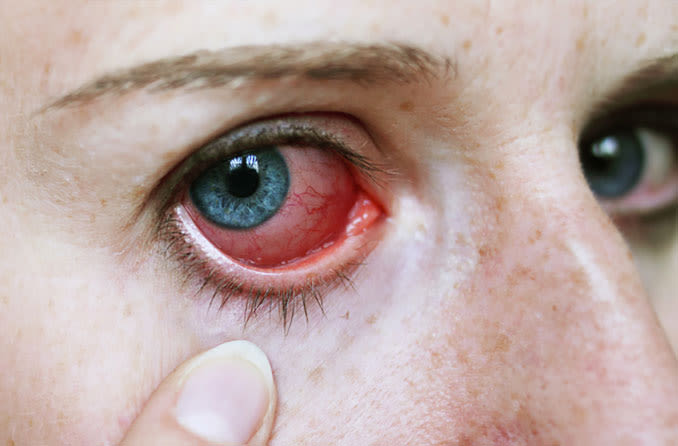
Uveitis generally refers to a range of conditions that cause inflammation of the middle layer of the eye, the uvea, and surrounding tissue. It can be painful, the eye or eyes may be red, and vision can be cloudy.
An injury to the eye, a viral or bacterial infection, and some underlying diseases may cause uveitis. It can cause swelling and damage in the tissue of the eye. Untreated, it may lead to vision loss and other issues. It can affect one or both eyes.
The term uveitis refers to an inflammation of the uvea and any part of the inside of the eye. Several types of uveitis exist with a number of potential causes.It mainly affects people aged 20- 60 years . Uveitis is a general term used to describe a group of diseases that cause red eyes, eye pain and inflammation. These diseases typically affect the uvea, the eye’s middle layer. They can also affect other parts of the eye. If not treated, uveitis can cause permanent blindness or vision loss.
WHAT ARE THE TYPES OF UVEITIS ?
There are 4 different types of uveitis based on where they occur on the uvea. To understand the different types, a person must first understand what the uvea is.
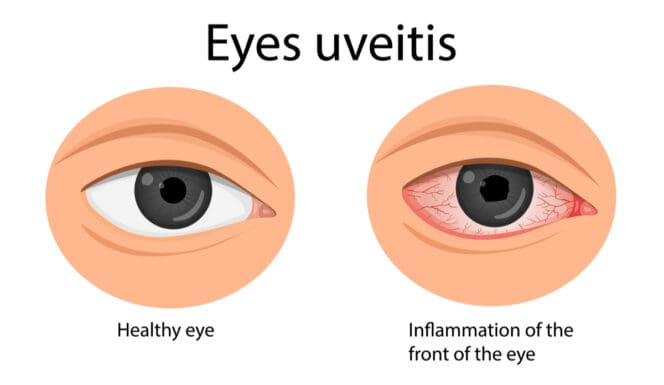
The different types of uveitis affect different parts of the uvea, as described below.
Anterior uveitis
Anterior uveitis is the most common form of uveitis. Also known as iritis, it affects the front part of the eye, and doctors identify it by noting white blood cells and fibrin in the anterior chamber (front part of the eye). Doctors think it results from inflammation of the iris. Iridocyclitis is similar, but it includes inflammation of the ciliary body.Symptoms may appear suddenly and can occasionally resolve on their own if they are mild. Some people have chronic, recurring eye inflammation that goes away with treatment and then comes back.
Intermediate uveitis
Intermediate uveitis can be vitritis or pars planitis. Vitritis is an inflammation of the jelly-like part of the eye, the vitreous cavity. When there is no underlying cause for the intermediate uveitis, it is known as pars planitis. Young adults are more prone to intermediate uveitis. This condition causes inflammation in the middle of the eye. Also called cyclitis or vitritis, it often affects the vitreous, the fluid-filled space inside the eye. Symptoms may improve, go away and then come back and get worse. About one in three people with intermediate uveitis .
Posterior uveitis
Posterior uveitis is an inflammation of the retina and choroid. Posterior refers to the back of the eye. The least common form, posterior uveitis affects the inner part of the eye. It is often also the most severe. It can affect the retina, optic nerve and choroid. The choroid contains blood vessels that supply blood to the retina. It’s sometimes called choroiditis or chorioretinitis. This type can cause recurrent symptoms that last months or years. Potential causes include:
- Birdshot chorioretinopathy.
- Viral etiologies such as herpes virus or chicken pox virus.
- Lupus.
- Sarcoidosis.
- Syphilis.
- Tuberculosis
Panuveitis
Panuveitis is an inflammation in all layers of the uvea. This type of uveitis can affect other areas of the eye, including the lens, retina, optic nerve, and vitreous. It can cause reduced vision and blindness. Rarely, uveitis affects all three layers of the eye. This type is more severe and raises the chances of permanent vision loss. Potential causes include:
- Bacterial or fungal retinitis.
- Viral retinitis.
- Toxoplasmosis.
- Lupus.
- Sarcoidosis.
- Syphilis.
WHAT ARE THE SIGN AND SYMPTOMS OF UVEITIS ?
Signs and symptoms of uveitis can vary. Often, theyoccur suddenly but they can come on gradually. Possible symptoms include:

- floaters — spots in the eye that look like tiny rods or chains of transparent bubbles floating around in the field of vision
- eye pain and redness
- general vision problems, including blurred or cloudy vision
- photophobia, an abnormal sensitivity to light
- headaches
Without treatment, uveitis can cause vision loss.
WHAT ARE THE CAUSES OF UVEITIS ?
The cause of uveitis is often unknown and frequently occurs in otherwise healthy people. It can sometimes be associated with another illness such as an autoimmune disorder or an infection from a virus or bacteria.

An autoimmune disease occurs when your immune system attacks a part of your body. Autoimmune conditions that may be associated with uveitis include:
- rheumatoid arthritis
- ankylosing spondylitis
- psoriasis
- arthritis
- ulcerative colitis
- Kawasaki disease
- Crohn’s disease
- sarcoidosis
Infections are another cause of uveitis, including:
Other potential causes of uveitis include:
- exposure to a toxin that penetrates the eye
- bruising
- injury
- trauma
Here are the common treatment options for each type of uveitis:
- Treatment for anterior uveitis, or iritis, includes dark glasses, eye drops to dilate the pupil and reduce pain, and steroid eye drops to reduce inflammation or irritation.
- Treatment for posterior uveitis may include steroids taken by mouth, injections around the eye, and visits to additional specialists to treat the infection or autoimmune disease. A body-wide bacterial infection is usually treated with antibiotics.
- Treatment for intermediate uveitis includes steroid eye drops and steroids taken by mouth.
Severe cases of uveitis may require drugs that suppress the immune system.
HOW IS UVEITIS DIAGNOSED ?The healthcare provider caring for your eyes will look at the inside of your eye during an eye exam . A standard eye exam usually includes:
- Visual acuity test (reading eye charts) to check for vision loss.
- Ocular pressure test (tonometry) to measure pressure inside the eye.
- Slit-lamp exam to examine the inside of the eye with a special microscope called a slit lamp.
- Dilated eye exam to widen pupils so your healthcare provider can look inside your eyes using a special lens.
Your healthcare provider may also order other tests, such as:
- Blood tests to rule out infections or underlying autoimmune diseases.
- Imaging of your chest or brain to look for systemic inflammatory causes.
- Fluorescein angiography to get images of blood vessels in the back of the eye.
- Gonioscopy to examine the front of the eye where liquid drains.
- Optical coherence tomography (OCT) to get detailed images of the back of the eye, including the retina.
- Optical coherence tomography angiography (OCTA) to produce 3D images of blood flow through the eye.
- Visual field test to check for damage to the optic nerve that may affect your ability to see things off to the side (peripheral vision).
HOW CAN I PREVENT UVEITIS ?Healthcare providers usually don’t know what causes most cases of uveitis. There isn’t much you can do to prevent the disease.
Doing what you can to maintain good eye health is always wise. Getting care for diseases, infections or other health conditions linked to uveitis can help protect your vision. You can also lower your risk by quitting smoking .
The healthcare provider caring for your eyes will look at the inside of your eye during an eye exam . A standard eye exam usually includes:
- Visual acuity test (reading eye charts) to check for vision loss.
- Ocular pressure test (tonometry) to measure pressure inside the eye.
- Slit-lamp exam to examine the inside of the eye with a special microscope called a slit lamp.
- Dilated eye exam to widen pupils so your healthcare provider can look inside your eyes using a special lens.
Your healthcare provider may also order other tests, such as:
- Blood tests to rule out infections or underlying autoimmune diseases.
- Imaging of your chest or brain to look for systemic inflammatory causes.
- Fluorescein angiography to get images of blood vessels in the back of the eye.
- Gonioscopy to examine the front of the eye where liquid drains.
- Optical coherence tomography (OCT) to get detailed images of the back of the eye, including the retina.
- Optical coherence tomography angiography (OCTA) to produce 3D images of blood flow through the eye.
- Visual field test to check for damage to the optic nerve that may affect your ability to see things off to the side (peripheral vision).
Healthcare providers usually don’t know what causes most cases of uveitis. There isn’t much you can do to prevent the disease.
Doing what you can to maintain good eye health is always wise. Getting care for diseases, infections or other health conditions linked to uveitis can help protect your vision. You can also lower your risk by quitting smoking .


Comments
Post a Comment