How do you get rid of papular urticaria ?
PAPULAR URTICARIA:
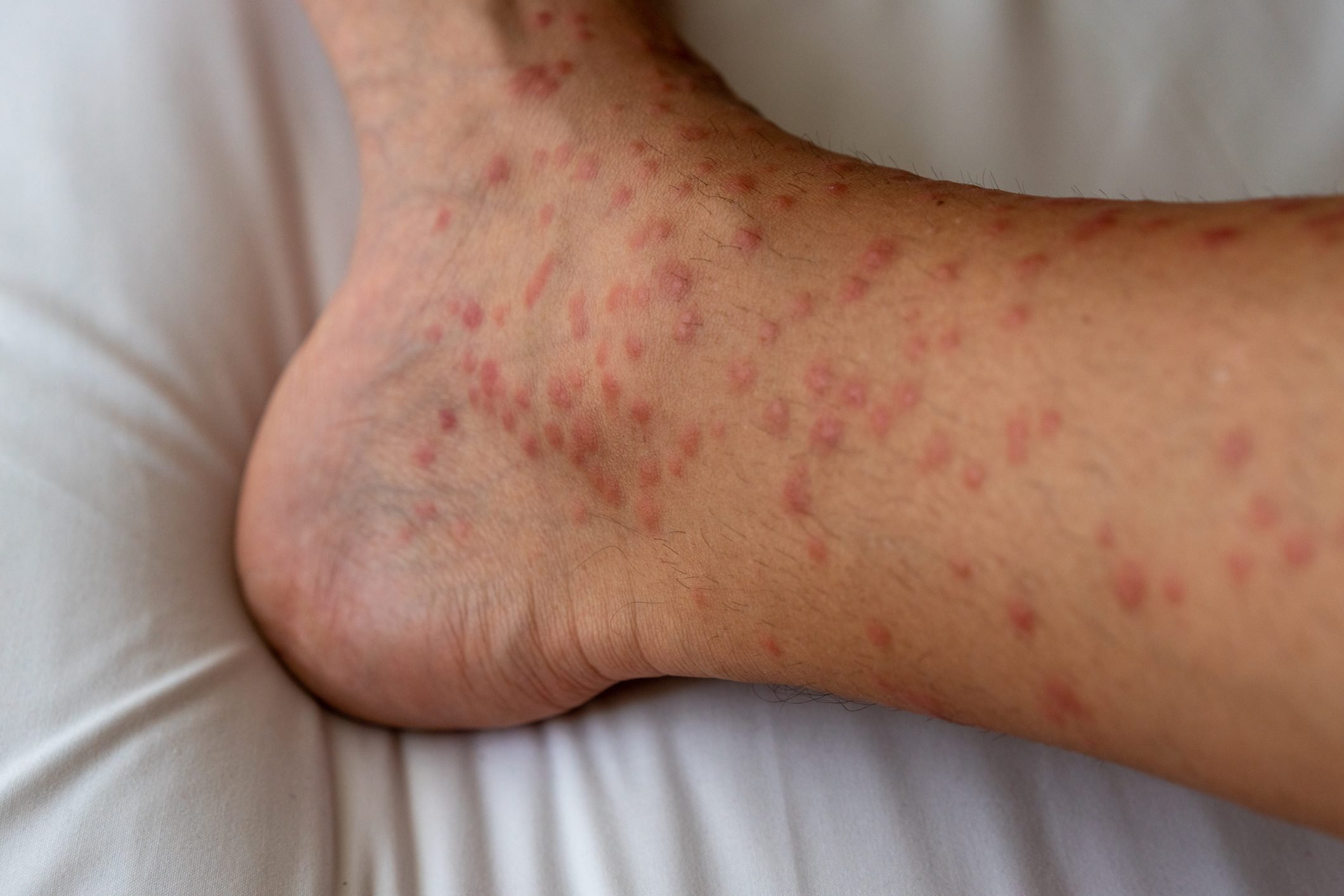
WHAT ARE THE SIGNS AND SYMPTOMS OF PAPULAR URTICARIA ?
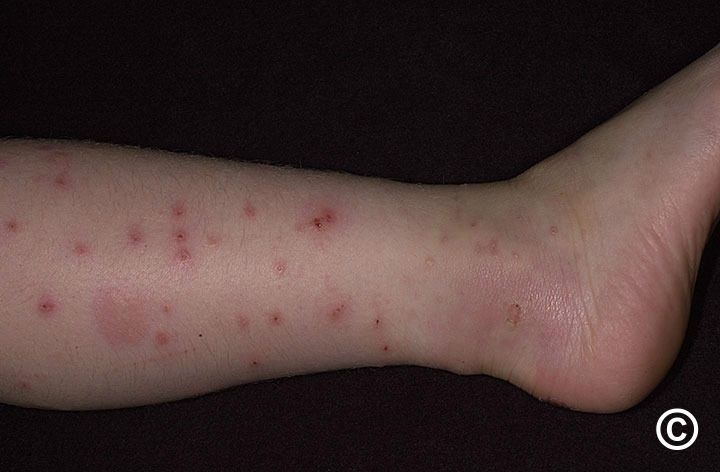
Papular urticaria usually appears as itchy, red bumps or blisters on top of the skin. Some blisters can appear in clusters on the body. The bumps are usually symmetrically distributed, and each bump is usually between 0.2 and 2 centimeters in size.
Papular urticaria can appear on any part of the body. The bumps and blisters can disappear and reappear on the skin. After a blister disappears, it sometimes leaves behind a dark mark on the skin.
Symptoms usually appear in the late spring and summer. The lesions of papular urticaria can last for days to weeks before clearing up. Since the rash can disappear and reappear, symptoms can recur for weeks or months. The bumps can reappear because of new insect bites and stings, or continued environmental insect exposure.
Sometimes secondary infections appear because of scratching. Scratching the itchy bumps and blisters can break open the skin. That increases your risk for infection.
WHAT ARE THE CAUSES OF PAPULAR URTICARIA ?
Papular urticaria is not contagious. It can appear because of an allergic reaction to the presence of insects. Some of the common causes of papular urticaria are bites from:
- mosquitos
- fleas (the most common cause)
- mites
- carpet beetles
- bed bugs
Medications your doctor may prescribe or recommend include:
- topical steroids
- oral anti-inflammatory corticosteroids
- systemic antihistamines
- topical or oral antibiotics

- calamine or menthol lotions and creams
- oral antihistamines
These treatment options may be appropriate for children. Talk to your doctor about treatments that are safe for your child. Your doctor can also help you determine the correct dosage.
HOW TO PREVENT PAPULAR URTICARIA ?
Several measures to prevent papular urticaria from occurring. The first is to eliminate the source of the problem. The second is to regularly check for insect infestations and treat them.
- Use pesticide and insecticide treatments to reduce populations of mosquitoes and other insects around your house.
- Use flea control medications and treatments on pets and livestock.
- Use bug sprays on children and adults that are safe and recommended by a doctor.
- Wear protective clothing when outside or in areas with large insect populations.
- Limit the amount of time you spend in areas with a lot of insects.
- Consider using insecticide-treated bed nets and clothing in areas with many mosquitoes.
- Eliminate bed bug infestations in the home.
- Regularly inspect pets and livestock for fleas and mites. Take immediate action to treat them.
- Give pets frequent baths.
- Wash all bedding and cloth items that pets sleep on to reduce risk for infestations.
- Vacuum the entire indoor area of your home to pick up fleas, flea eggs, and other insects. Carefully dispose of the vacuum bags to avoid reintroducing the insects into the environment.
- Avoid keeping chickens or pet birds in the home because of the risk of mites.


Comments
Post a Comment